
Conditions | Benign Prostatic Hyperplasia (BPH)
Benign Prostatic Hyperplasia (BPH)
Benign prostatic hyperplasia, more commonly known as BPH, is a non cancerous enlargement of the prostate. It is one of the most common prostate related problems in men, and it becomes more likely with age. By age 60, approximately half of all men will develop some signs of BPH that require treatment.If urinary symptoms are affecting your daily life, request an appointment to talk through your options.
Symptoms of BPH
An enlarged prostate can press on the urethra and affect how you urinate. Common symptoms include:
- Slow or dribbling urinary stream
- Hesitancy or difficulty starting urination
- Frequent urination
- A sudden or urgent need to urinate
- Waking up multiple times at night to urinate (nocturia)
Finding Treatment for BPH
Western New York Urology Associates is proud to be the only UroLift Center of Excellence in New York State and one of only 8 in the nation at the time of the award. Our team offers the full range of BPH treatment, from medication to minimally invasive procedures, so you get the option that fits your symptoms and goals. Call our urology centers to schedule an evaluation.
Treatment Options for BPH
Medication
Oral medications can relax the muscles of the prostate and bladder neck or shrink prostate tissue over time. Many patients start here, though some eventually look for an alternative due to side effects or limited relief.
The UroLift System
The UroLift System is a minimally invasive alternative to drug therapy and traditional surgery. Tiny implants lift and hold the enlarged prostate tissue away from the urethra, similar to how a curtain tie back holds a curtain open, relieving the blockage without cutting, heating or removing prostate tissue.Clinical data shows the UroLift System improves symptoms 3 to 4 times more than medication alone, with results shown to last through 2 years of published follow up, and no reported negative impact on sexual function. Possible side effects include mild to moderate hematuria, dysuria, urinary urgency, pelvic pain and urge incontinence, which typically resolve within 2 to 4 weeks.See before and after photos or read additional information about the procedure.
Surgery
For select cases, traditional surgical options remain available when medication and minimally invasive treatments are not the right fit.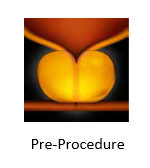
Is the UroLift System Right for You
The UroLift System may be a good option if you are considering surgery, have tried medication without success or experienced side effects, want a minimally invasive treatment, or are concerned about preserving sexual function and quality of life. Request an appointment to find out if you are a candidate.What to Expect During Recovery
Most patients notice improvement in urinary symptoms as early as 2 weeks after the UroLift procedure. The procedure typically requires no overnight stay and no catheter for most patients. Some mild urinary discomfort during the first few weeks is common and expected. There have been no reports of erectile or ejaculatory dysfunction as a result of the UroLift System treatment.

Frequently Asked Questions About the UroLift System
How soon will I feel better after having the UroLift System treatment?
Patients may notice improvement in lower urinary tract symptoms as early as 2 weeks after the procedure.
Will it affect my sexual function?
There have been no reports of erectile dysfunction or ejaculatory dysfunction as a result of the UroLift System treatment.
What happens during the recovery period?
Recovery involves minimal downtime. Most patients do not require an overnight stay or a catheter, and symptom relief is often noticeable within 2 weeks, though some urinary discomfort during recovery is common.
What clinical data is available for the UroLift System?
The UroLift System is backed by a large body of peer reviewed clinical studies conducted across the United States, Canada, Europe and Australia.